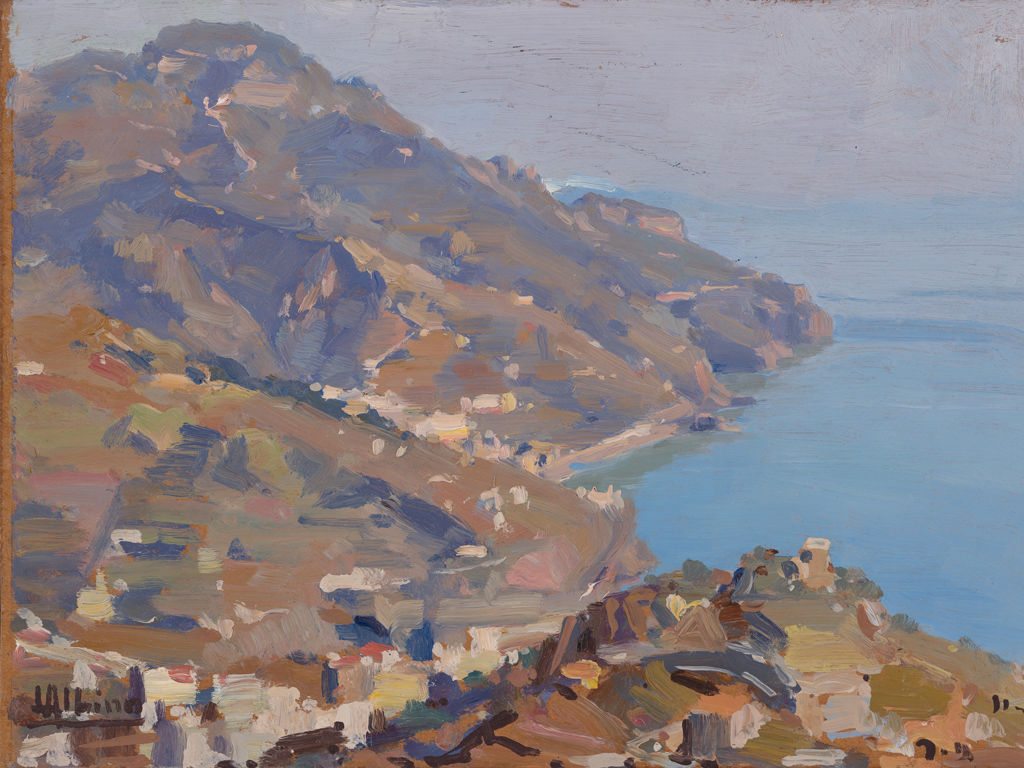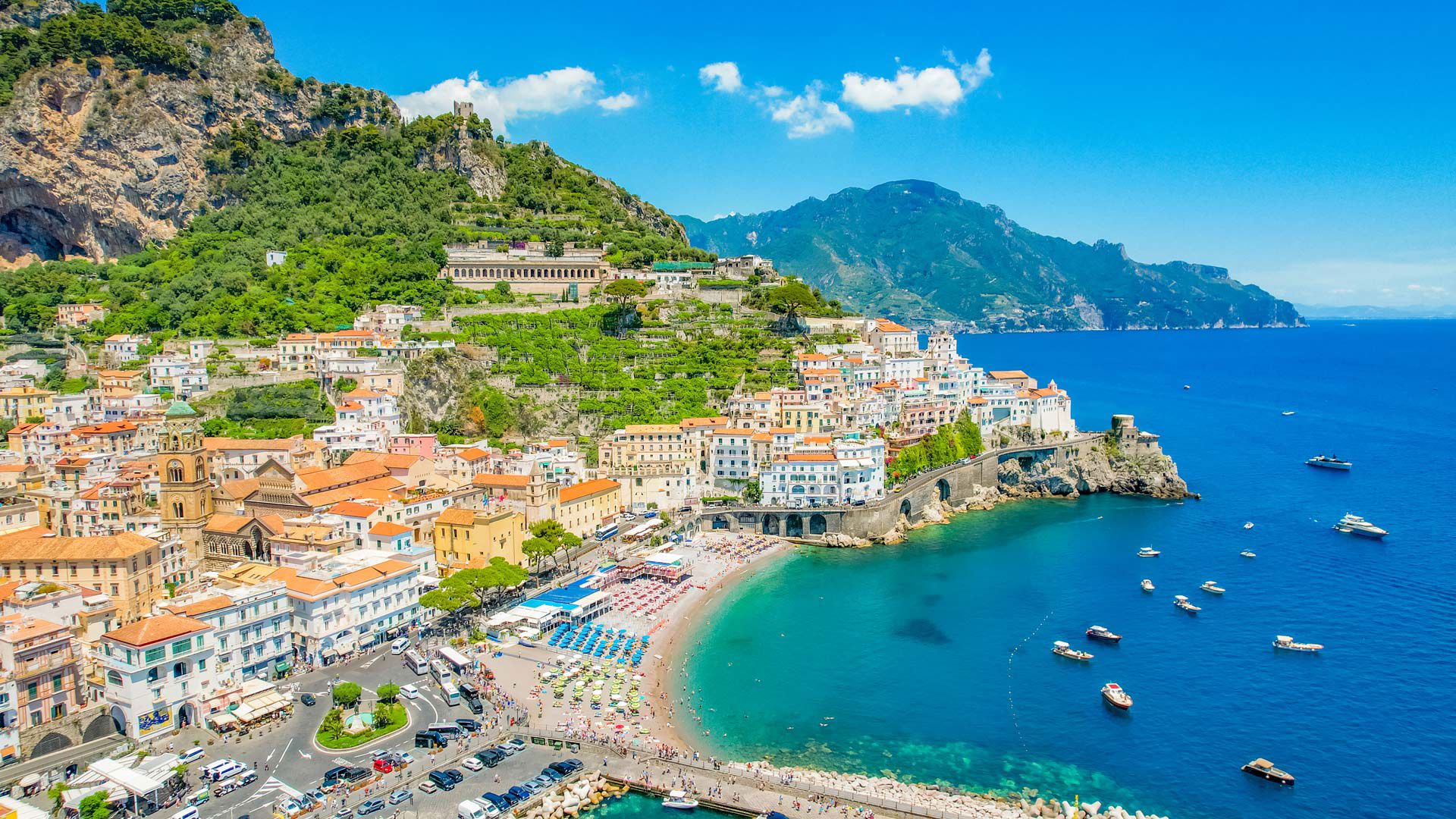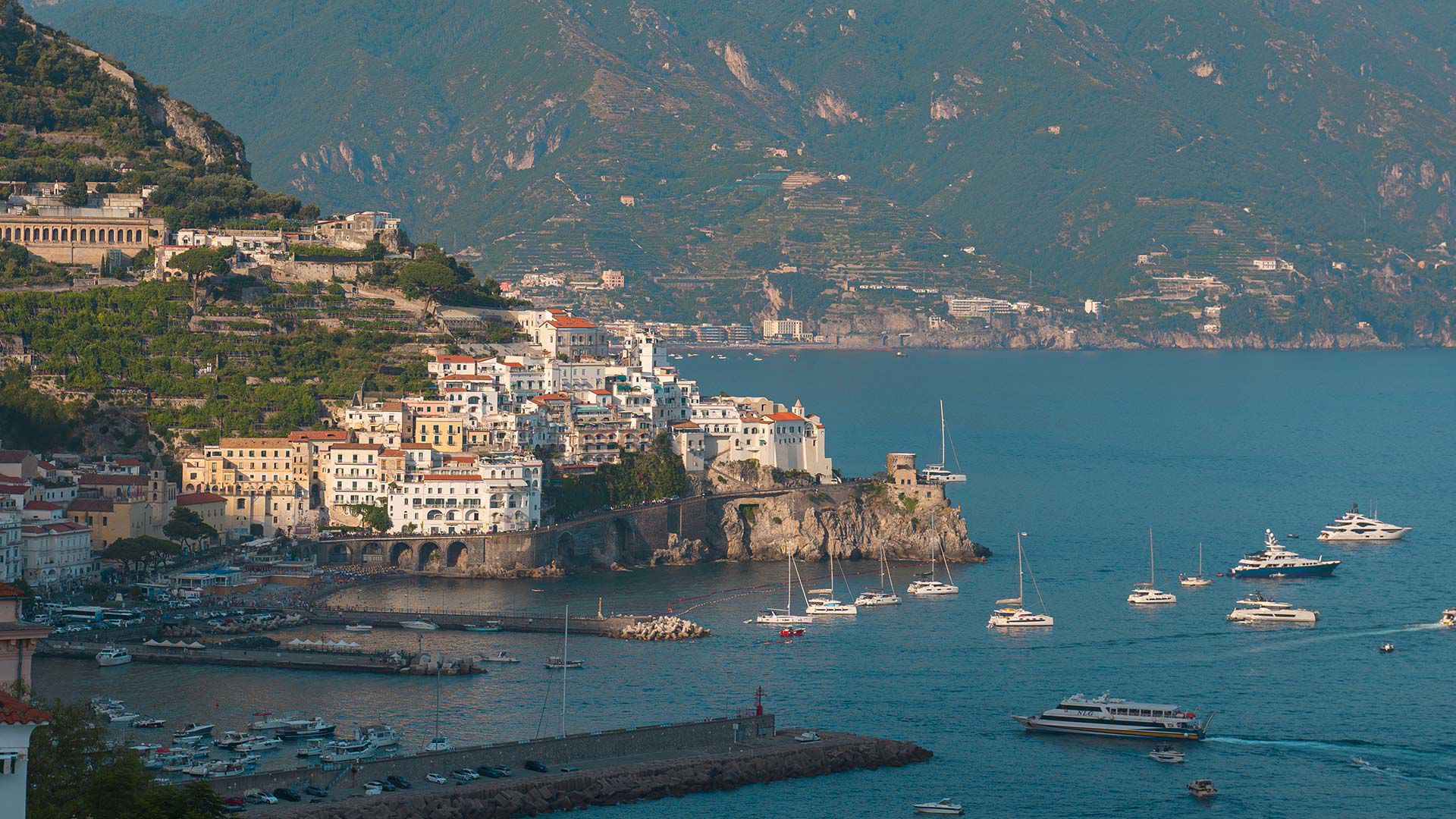
“Driving you realize there is no “best stop” along this road. Each village is a different fragment of the same wonder. The real Amalfi Coast reveals itself when you slow down, take wrong turns, and stop where you didn’t plan to stop. That’s where everything truly happens…”
The Amalfi Coast
Through the eyes of an attentive traveler…
“In the Amalfi Coast, every town has a distinct soul, and discovering it requires curious eyes and a touch of deviation from the obvious”
The road winds like a ribbon suspended between sky and sea, and every curve seems to want to tell a different story. I set off with the window down, the salty air pushing its way inside, and the scent of lemons blending with the warm wind. Driving here isn’t just about getting somewhere—it’s about letting yourself be surprised. The first villages appear suddenly, clinging to the cliffs like living nativity scenes. Pastel-colored houses, flower-filled balconies, and endless stairways spilling down toward the deep blue sea.
Every so often I stop, more out of instinct than necessity: a viewpoint, a small square, a view that feels impossible to ignore. Time slows down, almost comes to a halt.
The road keeps snaking along, narrow and captivating, demanding careful but never stressful driving. In fact, every bend feels like a promise: around the next corner there might be a hidden beach, a panoramic terrace, or a small café where coffee tastes like the Dolce Vita itself.
I pass vineyards that defy gravity and lemon groves arranged like secret gardens. The mountains behind me and the sea ahead create a contrast that leaves me speechless. And then, suddenly, another village: bell towers, majolica domes, narrow alleyways where getting lost would almost feel like a privilege.
I keep driving slowly, with the feeling that the destination doesn’t really matter. Here, the journey is everything: in stolen glimpses, spontaneous stops, sunsets that turn everything to gold. The Amalfi Coast isn’t something you visit—it’s something you live.
And every kilometer traveled becomes a memory that clings to you, like salt on your skin after a day by the sea.
Vietri sul mare
This is the gateway to the coast, but instead of just admiring the ceramics on display, I slip into hidden workshops. Here you can actually get your hands dirty, shape clay, and talk with artisans who carry on ancient traditions. At sunset, head up to the hamlets above the town: the sea turns copper and everything goes quiet, far from the tourist rush.
Highlights:
• Vietri Ceramic Museum located in Villa Guariglia;
• Church of San Giovanni Battista;
• Historic center, where you can admire the various artisan workshops.
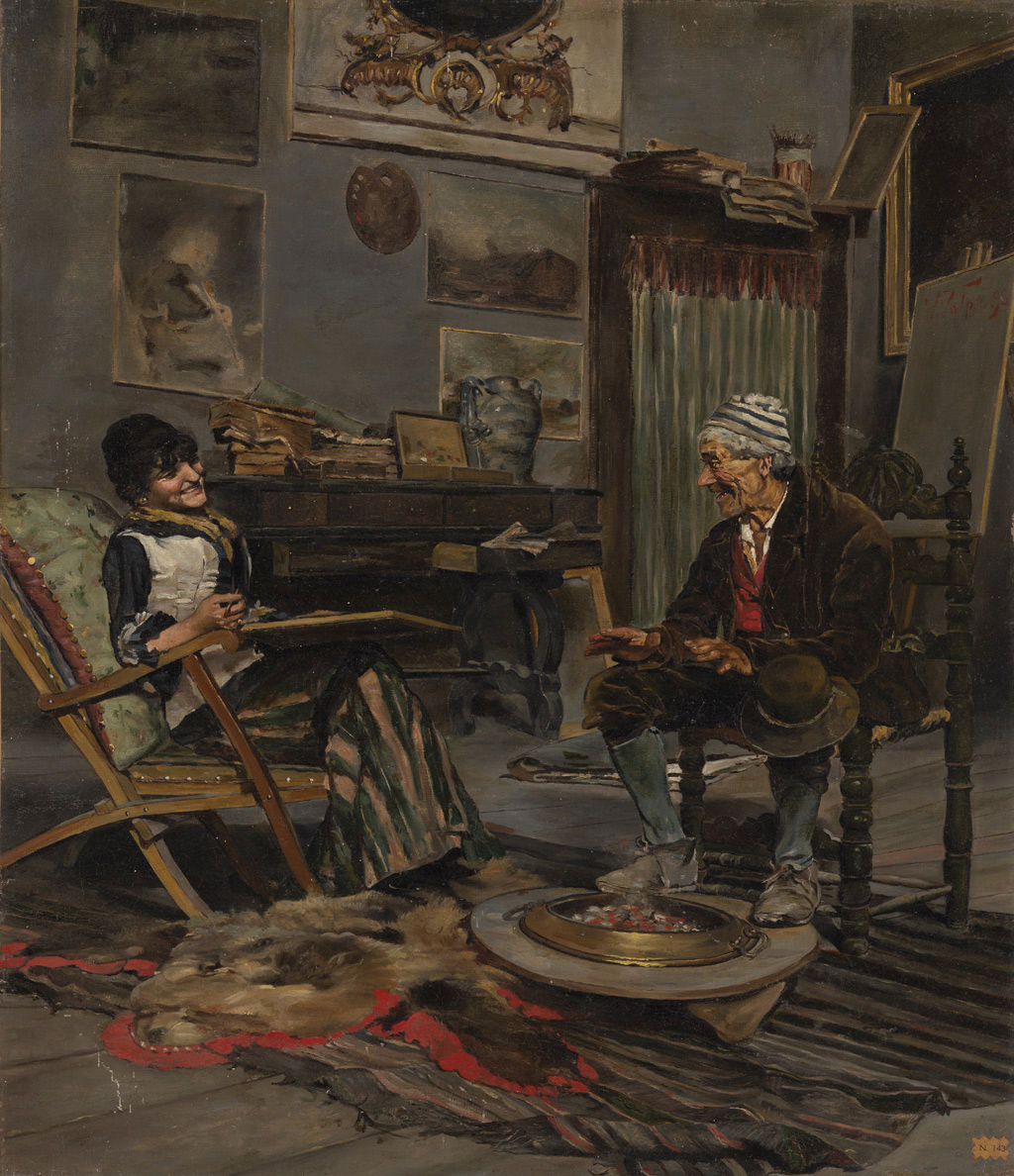
Cetara
Small and authentic. Don’t just look for fish in restaurants: wake up early and go to the harbor when the fishermen return. That’s where you feel the true heartbeat of the village. If you can, taste the anchovy “colatura” directly from the producers—it’s more of a ritual than a tasting.
Highlights:
• Viceregal Tower: a 16th-century coastal tower, now used for exhibitions and cultural events;
• Church of San Pietro Apostolo: with its distinctive majolica-tiled dome, symbol of the village;
• Cetara Beach: quieter than others along the coast, ideal for relaxing;
• Historic center alleys: authentic atmosphere among fishermen’s houses and small trattorias.
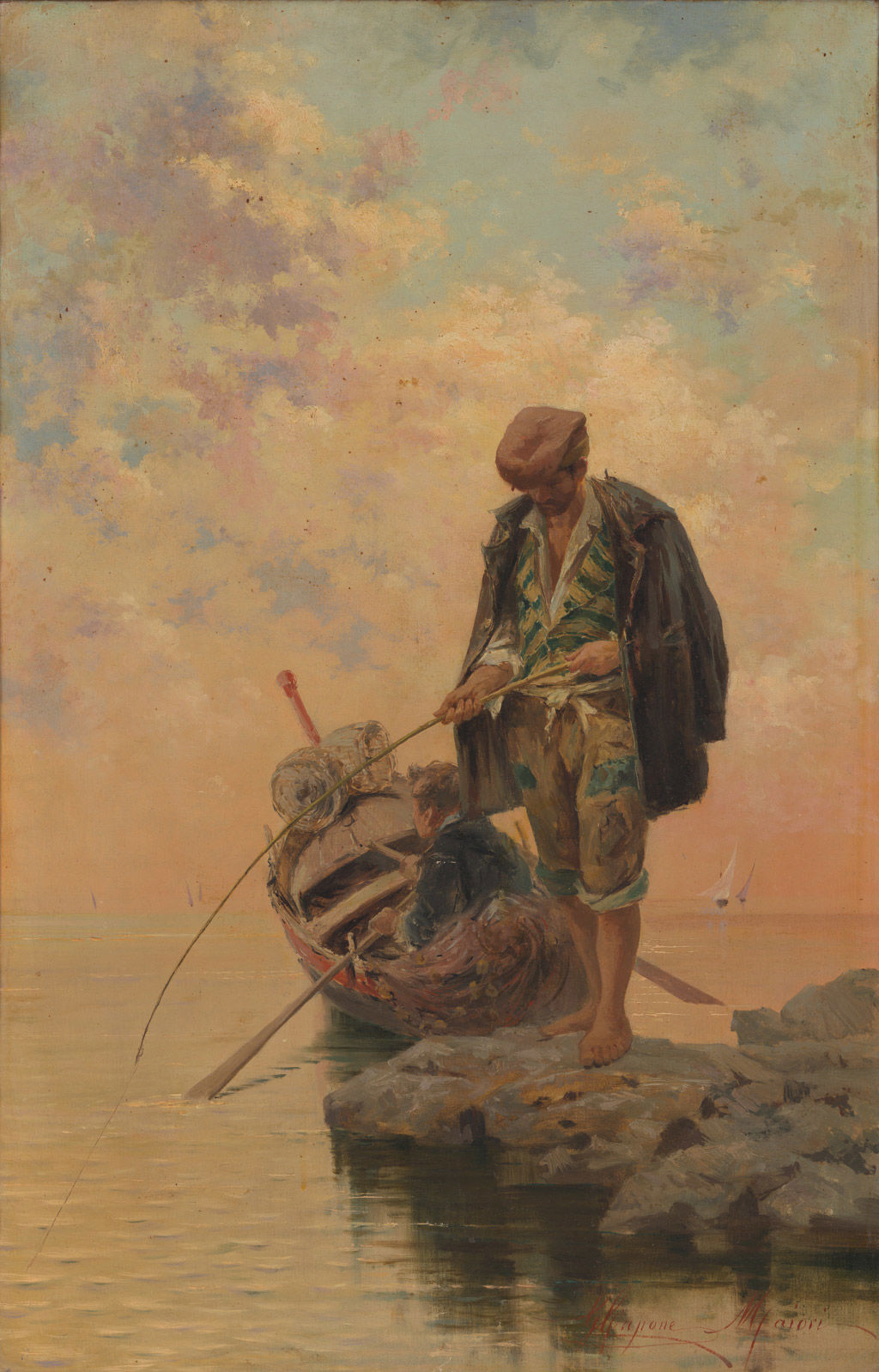
Maiori
Often overlooked, but that’s exactly what makes it special. Beyond its unusually long beach for the area, take the Sentiero dei Limoni (Lemon Path) inland. You walk through intense scents and meet farmers still working by hand. It’s a more rural, authentic side of the coast.
Highlights:
• Collegiate Church of Santa Maria a Mare: main church with a majolica dome and panoramic views;
• Palazzo Mezzacapo: historic building with well-kept gardens, often hosting events;
• Castle of San Nicola de Thoro-Plano: reachable via a trekking route, offering spectacular coastal views;
• Maiori Beach: the longest on the coast, ideal for those seeking easy access to the sea and fewer rocks;
• Path of the Lemons to Minori: easy and scenic, through terraced lemon groves.
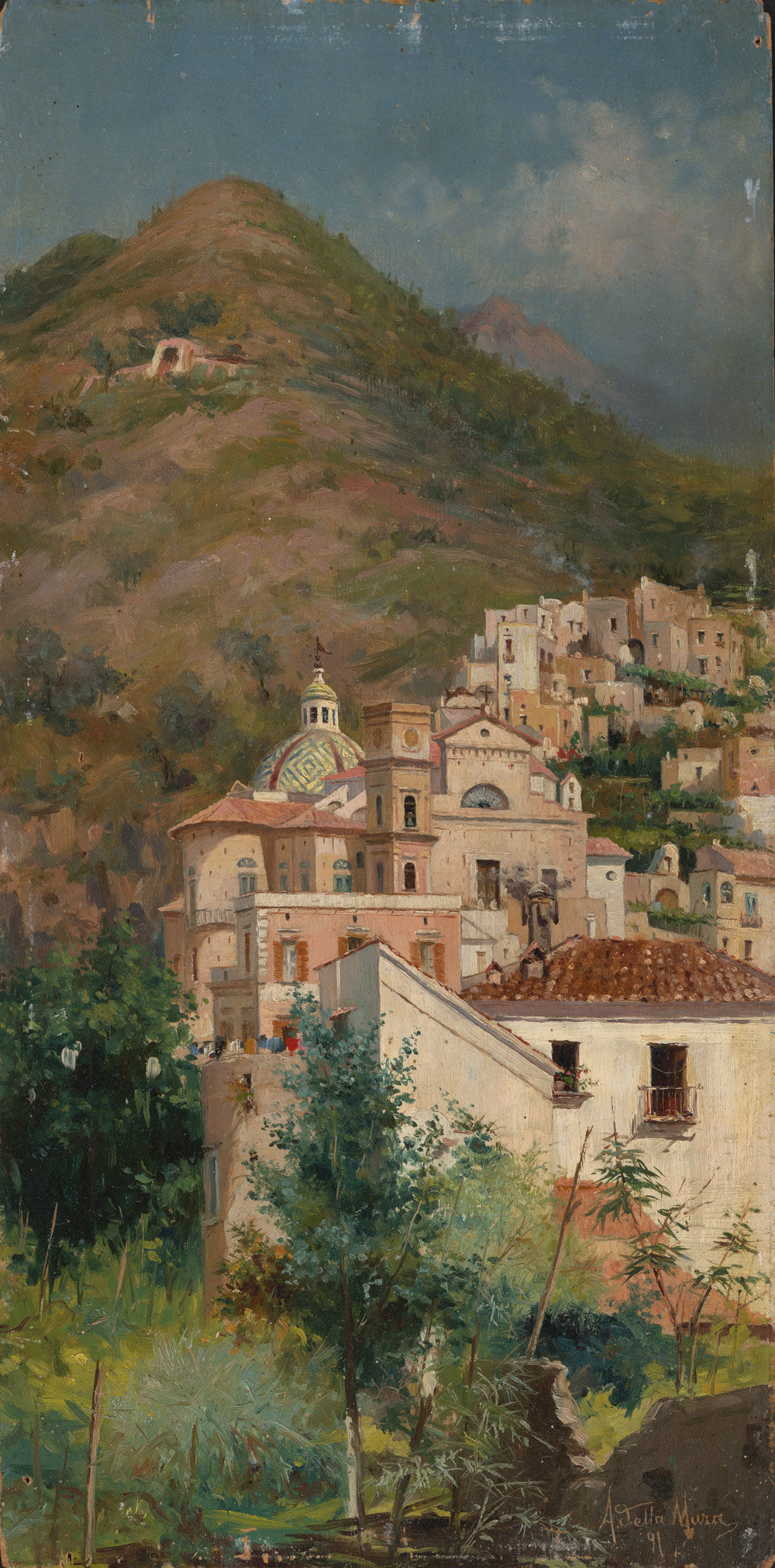
Minori
Here time feels slower. Don’t stop only for the famous pastry shops: wander into the inner alleys and follow the smell of fresh bread. For something truly local, find a tiny family-run trattoria—often you’ll hear stories while your meal is being cooked.
Highlights:
• Roman Villa of Minori: one of the most important sites on the coast, with well-preserved remains of a 1st-century AD villa;
• Basilica of Santa Trofimena: main church dedicated to the town’s patron saint;
• Historic center: characteristic alleys and authentic atmosphere.
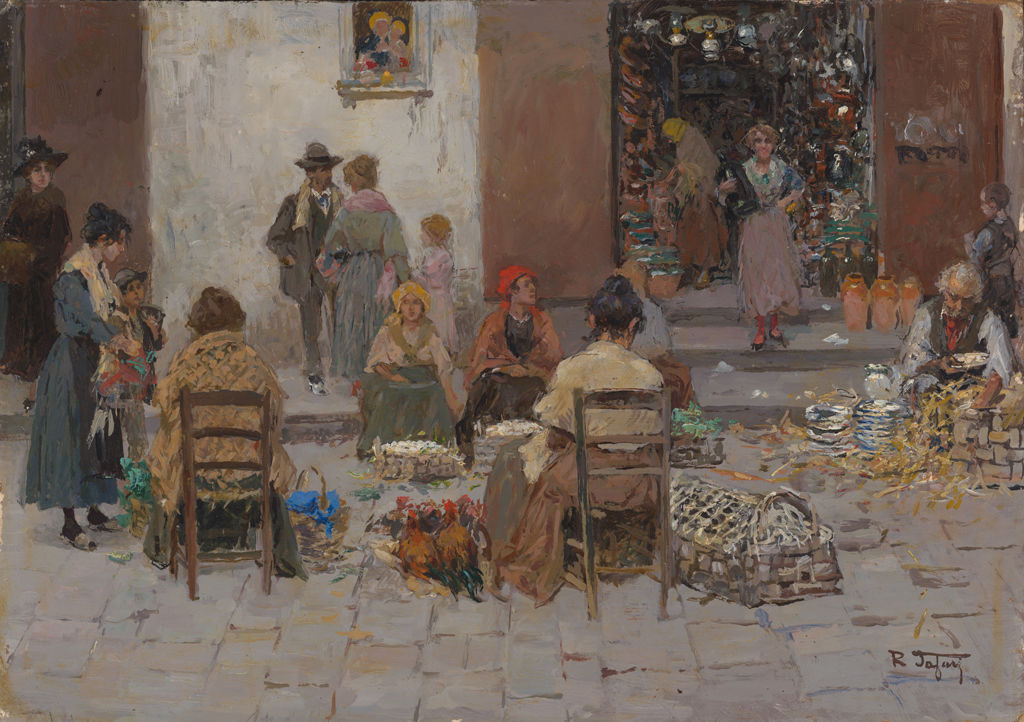
Ravello
It’s not on the sea, and that’s its secret. Stay here after the crowds leave. Villas become silent, and suspended gardens feel unreal above the cliffs. If you catch a concert, music blends with the landscape in an almost dreamlike way. Sometimes snob and some other sleepy but the music is the main art and soul of the town.
Highlights:
• Ravello Cathedral: in the heart of the village, with interiors rich in history;
• Villa Rufolo: famous for its terraced gardens and for inspiring artists such as Richard Wagner;
• Villa Cimbrone: not to be missed, the “Terrace of Infinity,” one of Italy’s most iconic viewpoints.
Scala
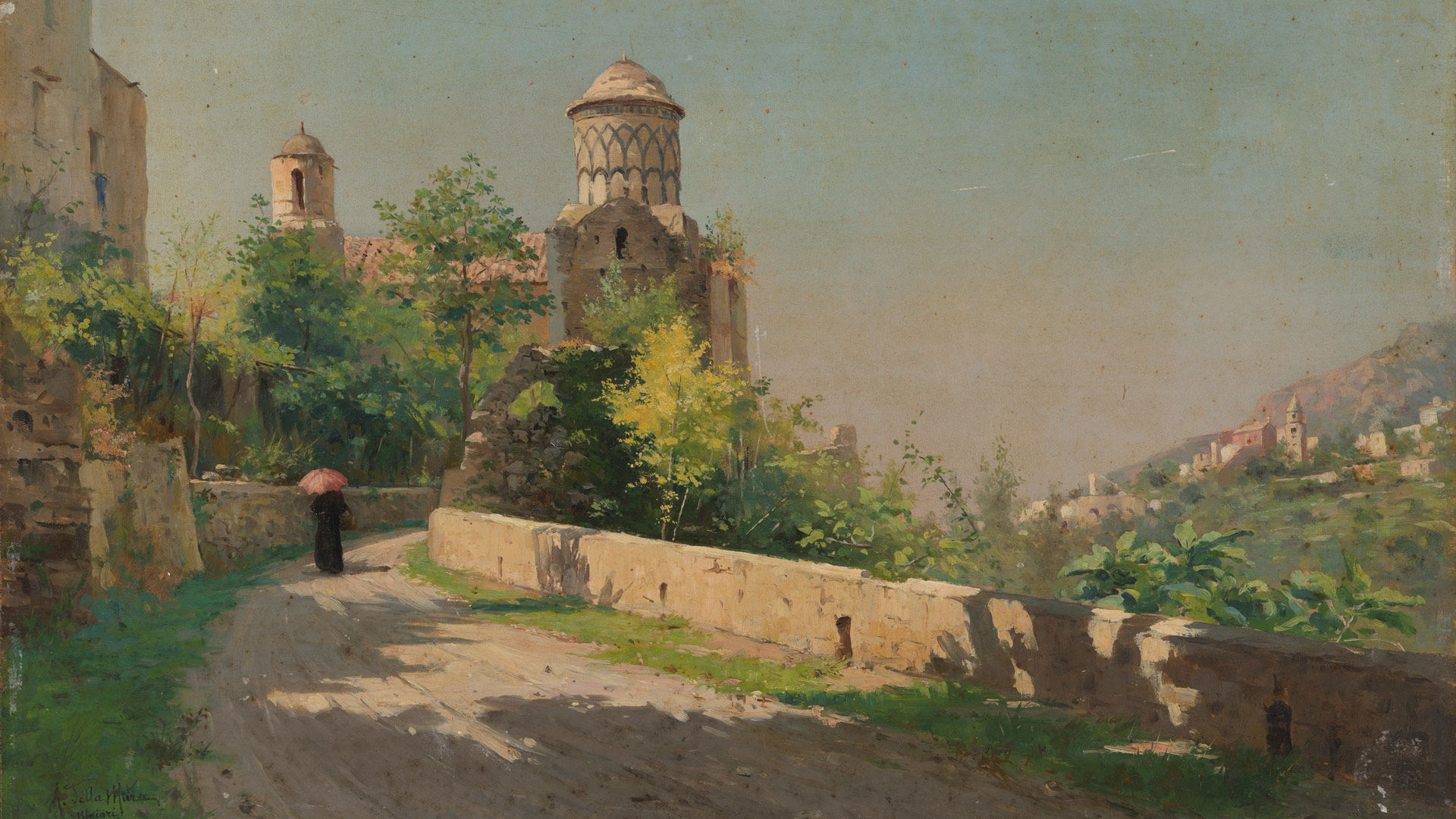
If you go beyond Ravello, you might find yourself in Scala almost by chance. The first settlement of the Amalfi Coast, Scala has long been a place of peace and contemplation, chosen over the centuries as a refuge for cloistered life and spiritual retreat. Stop in Minuta, reach Sant’Eustachio at sunset, and treat yourself to a walk towards the Torre dello Ziro: you’ll discover the most authentic Amalfi Coast, the one many visitors never see.
Highlights:
• Basilica di Sant’Eustacchio;
• Minuta;
• Chiesa dell’Annunziata;
• Torre Dello Ziro.
Amalfi
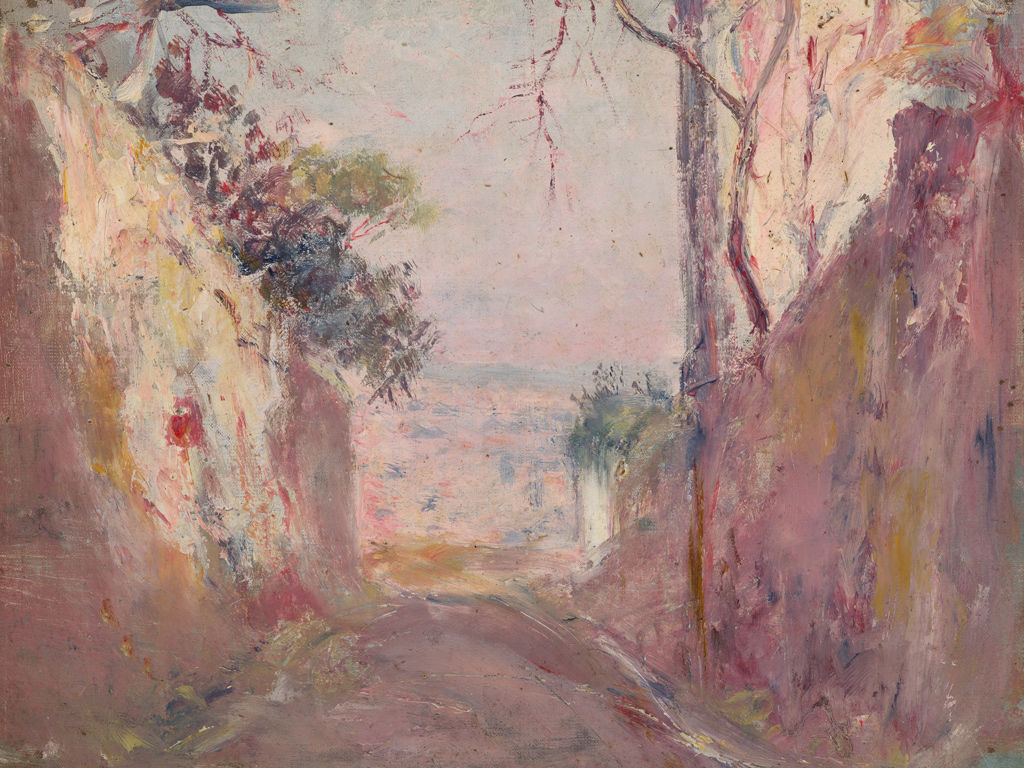
Busy, yes, but just a few steps are enough to escape the chaos. Get lost in quieter alleys and visit an old paper mill to see handmade paper being produced. Or climb toward the upper hamlets: from there, Amalfi becomes a distant, almost silent scene.
Highlights:
• Amalfi Cathedral: symbol of the city, with its grand staircase and the Cloister of Paradise in Arab-Norman style;
• Arsenal of the Republic: ancient medieval shipyard, a testament to maritime power;
• Paper Museum: tells the story of traditional handmade paper production;
• Valle delle Ferriere: natural area with waterfalls, trails, and lush vegetation.
Atrani
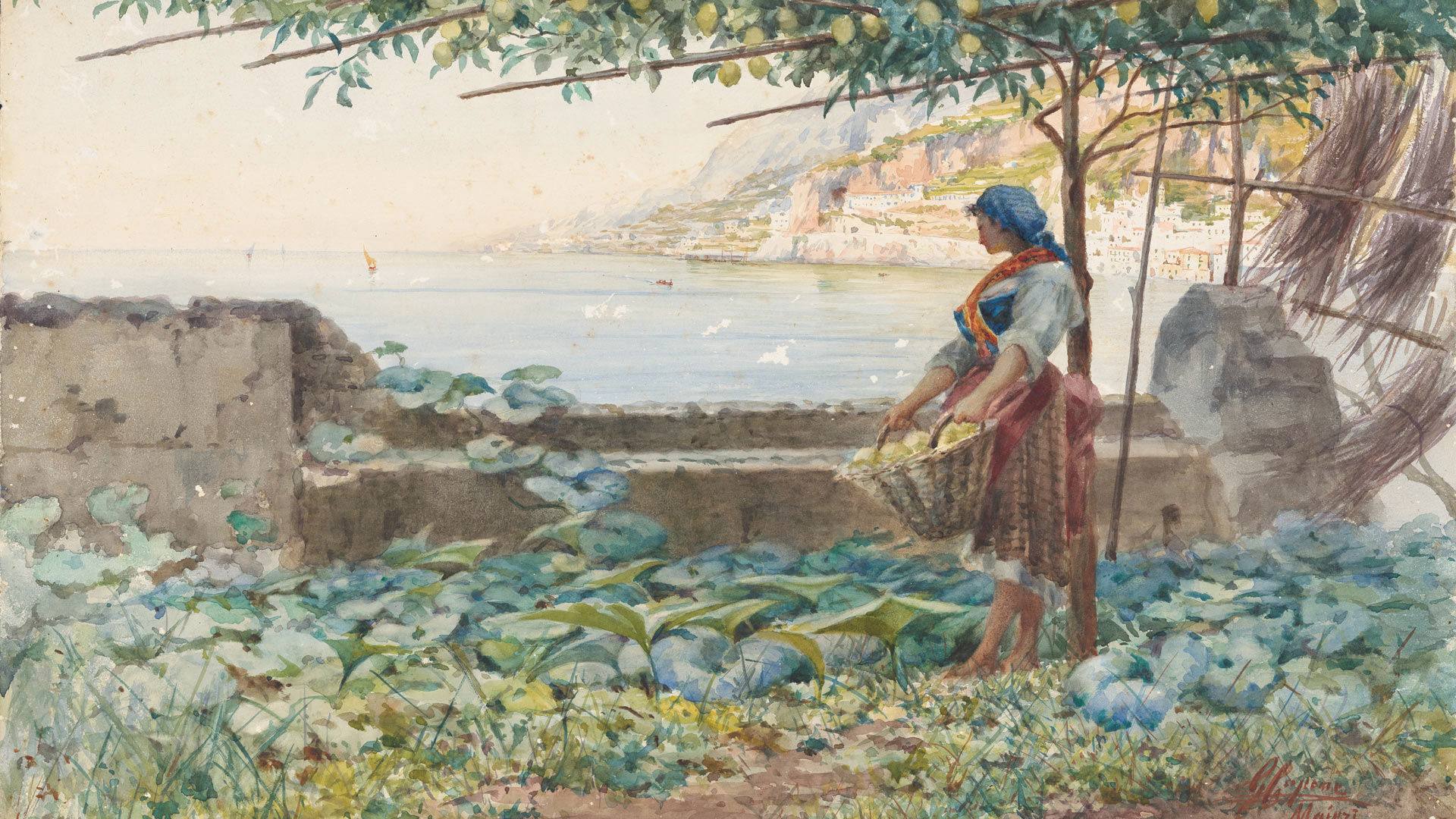
Right next to Amalfi but completely different. Tiny, intimate. The experience here is simply sitting in the square and watching daily life unfold: children playing, locals chatting. It’s not a place to “visit,” but to slowly inhabit.
Highlights:
• Collegiate Church of Santa Maria Maddalena: Baroque church with a scenic façade overlooking the sea;
• Church of San Salvatore de’ Birecto: historically important, where the Doges of the Republic of Amalfi were crowned;
• Piazza Umberto I: the lively and authentic heart of the village.
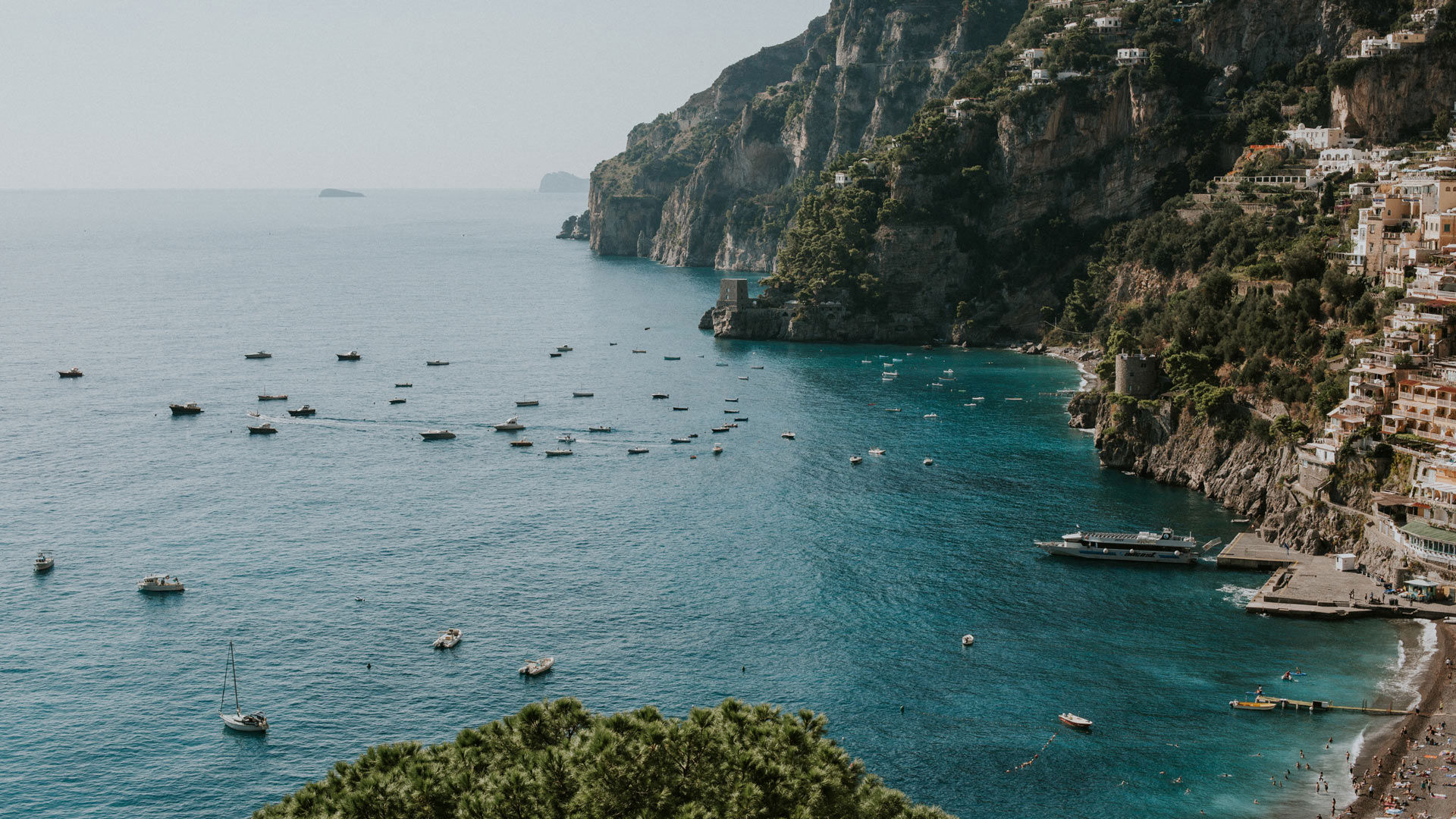
Positano
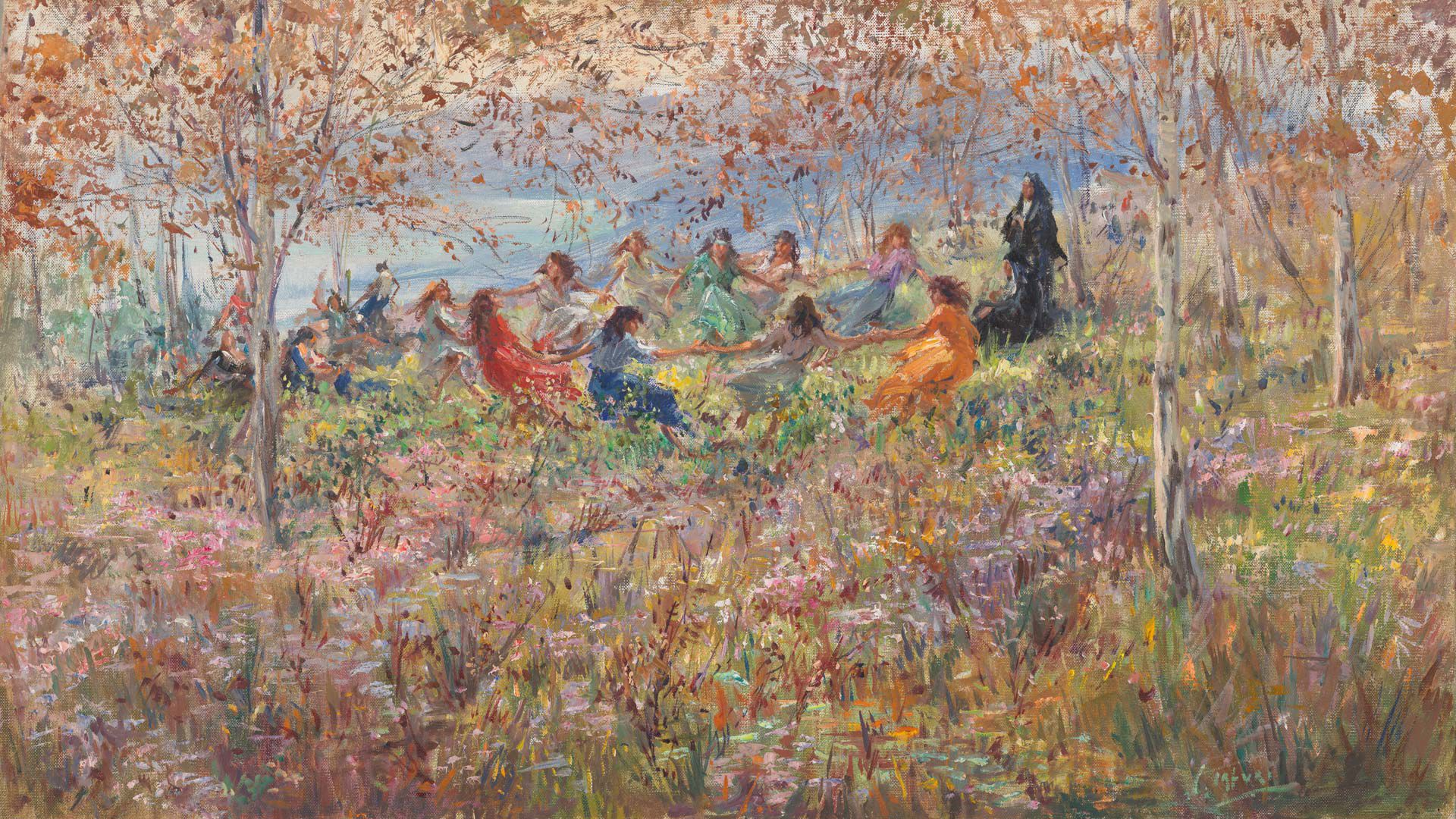
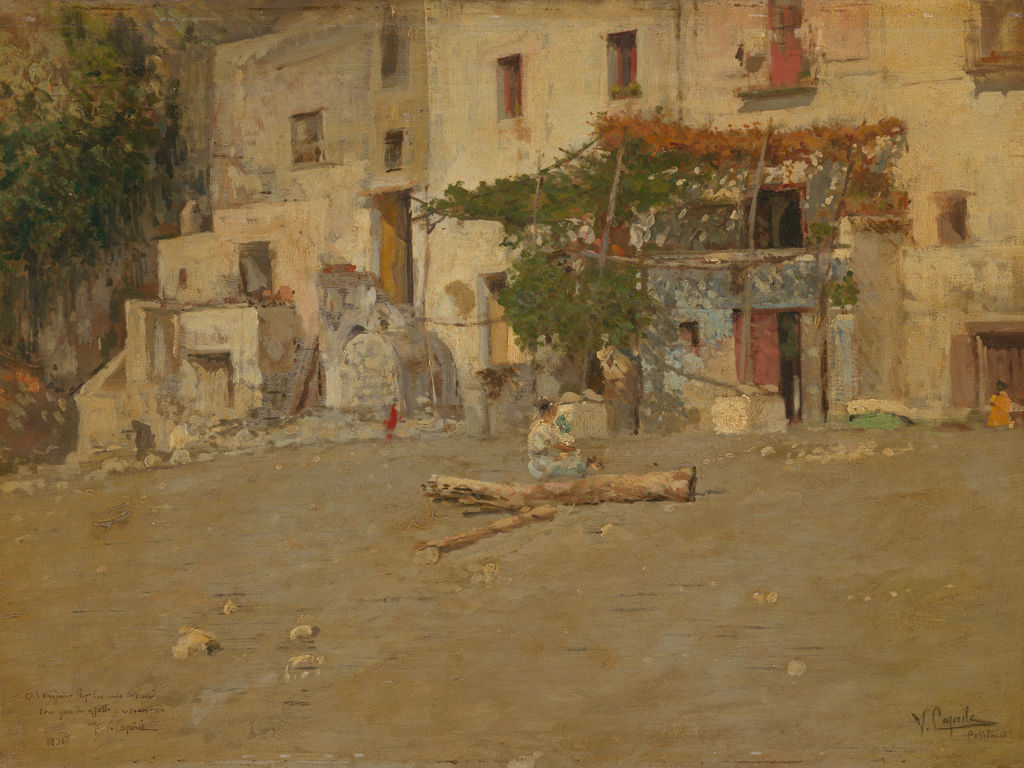
Iconic, vertical, almost theatrical. But instead of following the crowds to the main beach, explore the hidden stairways. Every descent feels like a maze of secret viewpoints. At night, when the lights slowly turn on, it feels like a living painting.
Highlights:
• Church of Santa Maria Assunta: symbol of the village, with its majolica dome and Byzantine icon of the Black Madonna;
• Historic center: boutiques, art galleries, and local craftsmanship (“Positano style” fashion);
• Access to the Path of the Gods, one of Italy’s most spectacular trails (not recommended from here; better to start from Agerola);
• Hamlet of Montepertuso: incredible views and a quieter atmosphere.
Praiano
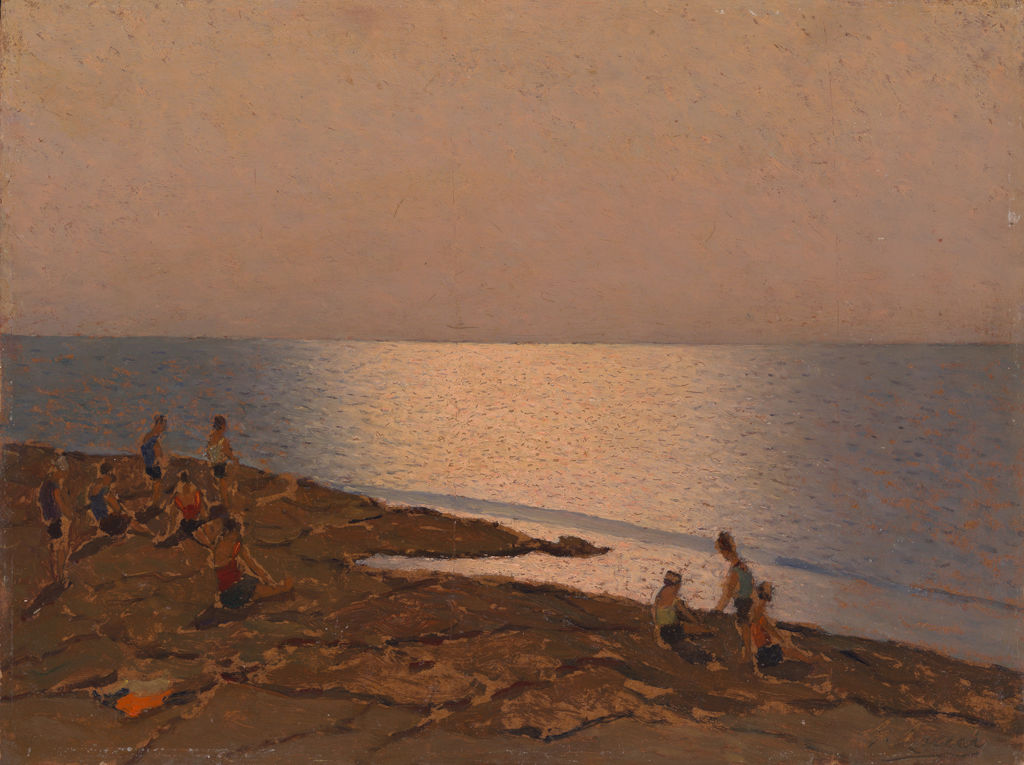
Quieter, less polished. Here the real show is sunset: find a terrace—any terrace—and stay still as the sun melts into the sea. If you want something different, explore the small coves reachable only on foot.
Highlights:
• Church of San Gennaro: famous for its panoramic square and majolica dome;
• Church of San Luca Evangelista: rich in artworks and tied to local history;
• Coastal towers and typical architecture scattered throughout the area;
• Marina di Praia: a small bay nestled among the rocks, very picturesque.
Furore
Not really a village in the traditional sense, but a scattered cluster of houses. The fjord is famous, but the most unusual experience is walking among murals and isolated homes on the cliffs—it feels like an open-air museum carved into the rock.
Highlights:
• Fiordo di Furore: a spectacular natural gorge with a small fishing village and an iconic suspended bridge.